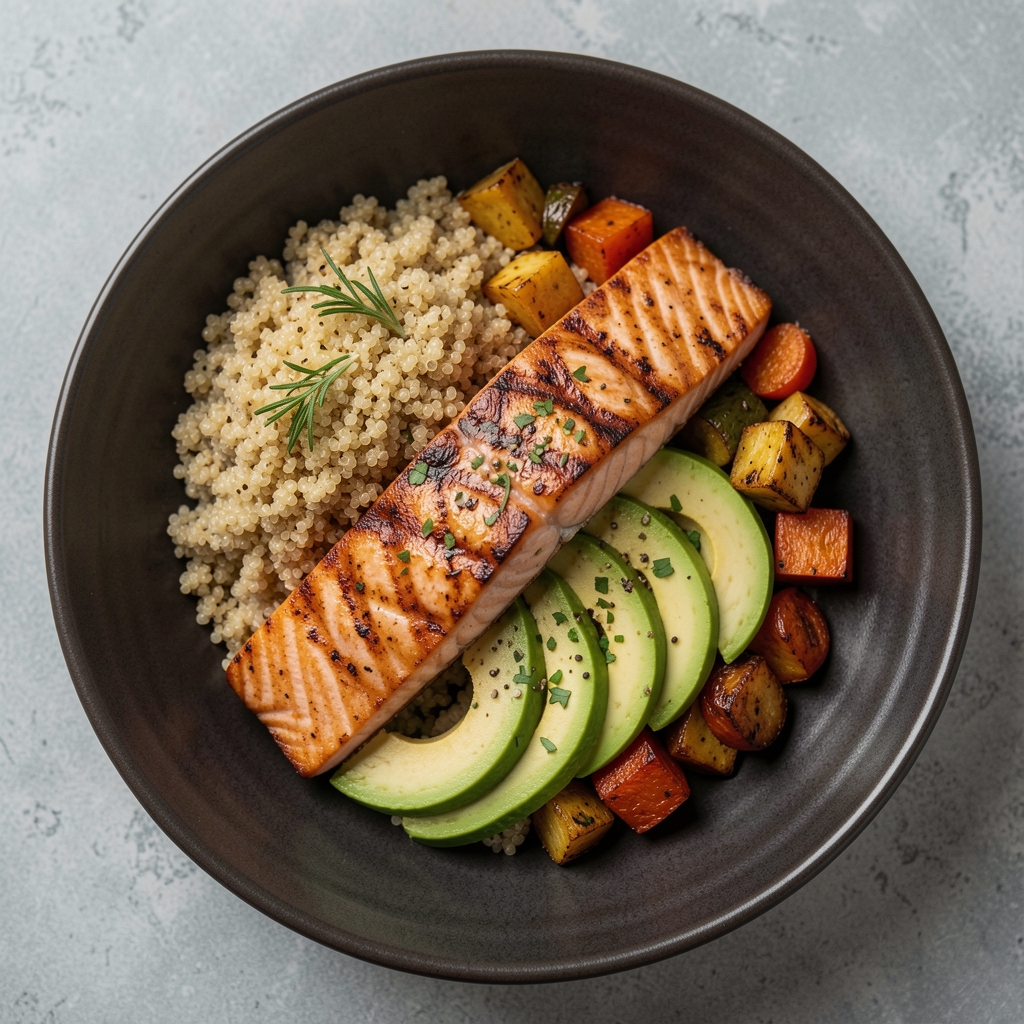
Muscle Building Diet Composition for Men
This framework documents the carbohydrate-protein-fat ratios observed in peer-reviewed sports nutrition literature for men in resistance training cycles. It covers caloric surplus calibration, protein timing windows, and carbohydrate periodization across training and rest days.
Research note: Carbohydrates for muscle building are documented as a primary energy substrate for anaerobic output. Studies suggest 3.5–7g per kg of body weight on high-volume training days, adjusted downward on rest days. Post-workout windows of 2–4 hours show the strongest protein synthesis signal in the literature.

Weight Loss Diet for Men — Caloric Deficit Protocols
Fat loss nutrition for men documents the interaction between caloric deficit depth, protein retention, and activity-level adjustment. A moderate deficit of 300–500 kcal daily is the range most consistently cited in the literature as preserving lean mass while achieving fat reduction.
Protein intake benchmarks during deficit periods are elevated — the literature suggests 2.0–2.4g per kg — to offset the proteolytic pressure of negative energy balance.

Omega-3 and Healthy Fats for Men's Active Metabolism
This framework covers omega-3 for men as both a dietary and supplemental nutrient. EPA and DHA are documented for cardiovascular function support and the reduction of exercise-induced inflammatory markers. The framework covers sourcing from oily fish, walnuts, flaxseed, and algae-derived options for plant-forward protocols.
Healthy fats for men are documented across monounsaturated (olive oil, avocado), polyunsaturated (omega-3, omega-6), and saturated categories, with intake ratio guidance drawn from current dietary guidelines and relevant longitudinal cohort studies.

Intermittent Fasting for Men — Timing and Metabolic Context
Intermittent fasting for men is documented here through three primary protocols: 16:8 time-restricted eating, 5:2 modified fasting, and alternate-day approaches. Research notes on their compatibility with resistance training, endurance activity, and body composition outcomes are indexed.
Meal prep for men engaged in time-restricted eating is a documented practical challenge: protein distribution must be concentrated within a shorter window without exceeding digestive efficiency thresholds (estimated at 0.4g per kg per meal in current literature).
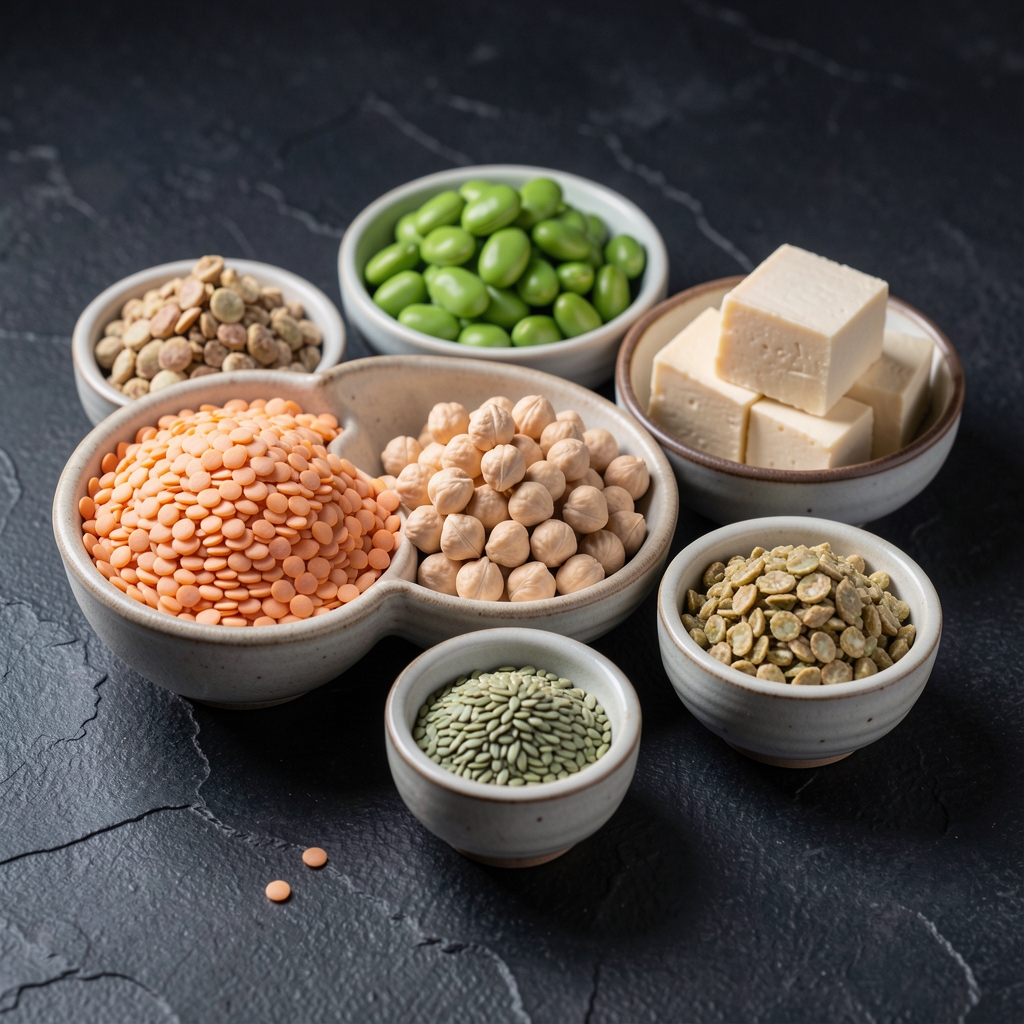
Plant-Based Protein for Active Men — Completeness Index
Plant protein for men documents amino acid completeness scores for soy (complete), quinoa (complete), pea protein (near-complete), and combination strategies (rice + pea, legumes + grains) that achieve complete amino acid profiles. Leucine content — the primary trigger for muscle protein synthesis — is indexed per 100g for major plant protein sources.
Vegan diet for active men is noted as viable for muscle maintenance when total protein and leucine targets are met. A 10–20% increase in total protein intake over meat-based benchmarks is commonly cited to offset lower bioavailability in plant sources.
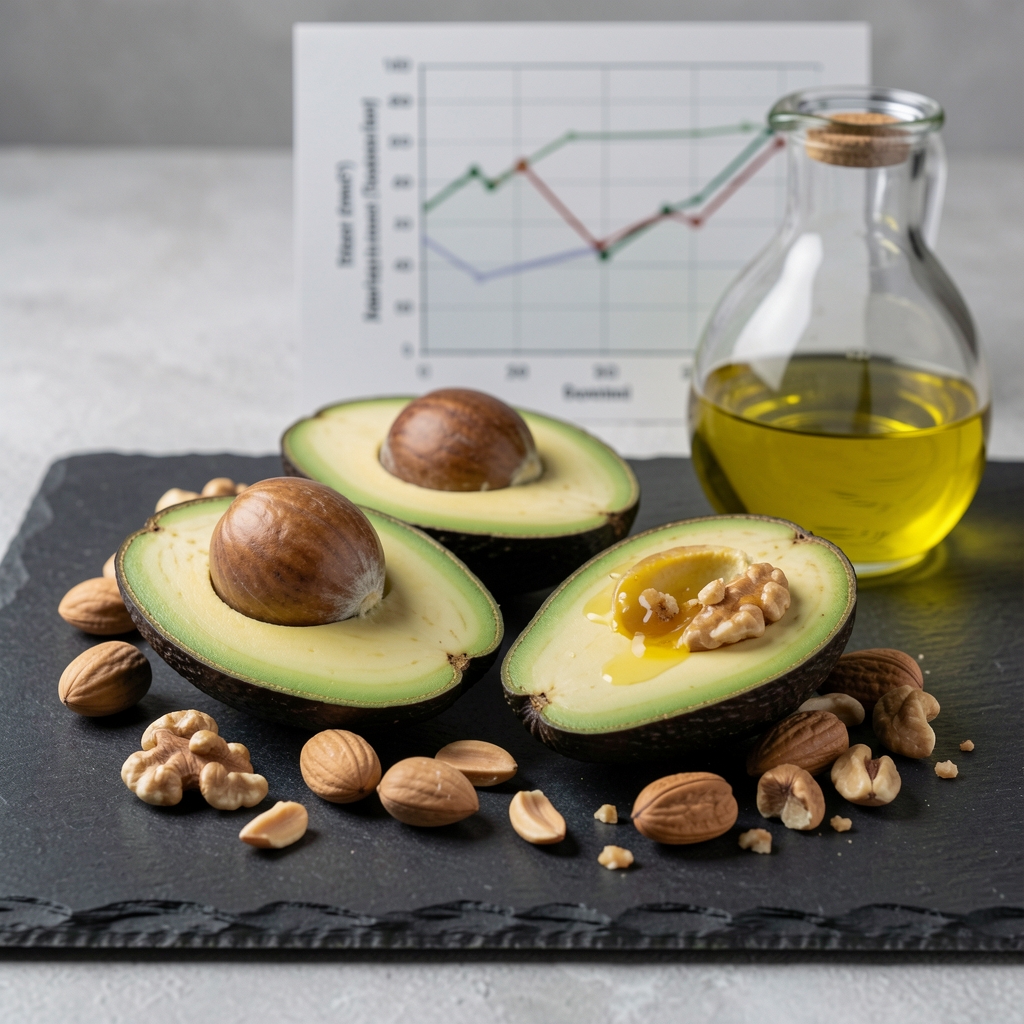
Keto Diet for Men — Adaptation Phases and Electrolyte Notes
Keto diet documentation for men covers the standard macronutrient threshold (carbohydrates below 50g daily), the adaptation window literature (2–6 weeks), and common observations during the transition phase including electrolyte requirements — sodium, potassium, and magnesium in particular.
The framework notes research on long-term keto sustainability in men over 30, addressing the distinction between moderate- and high-intensity training compatibility and the strategic use of targeted or cyclical carbohydrate approaches.
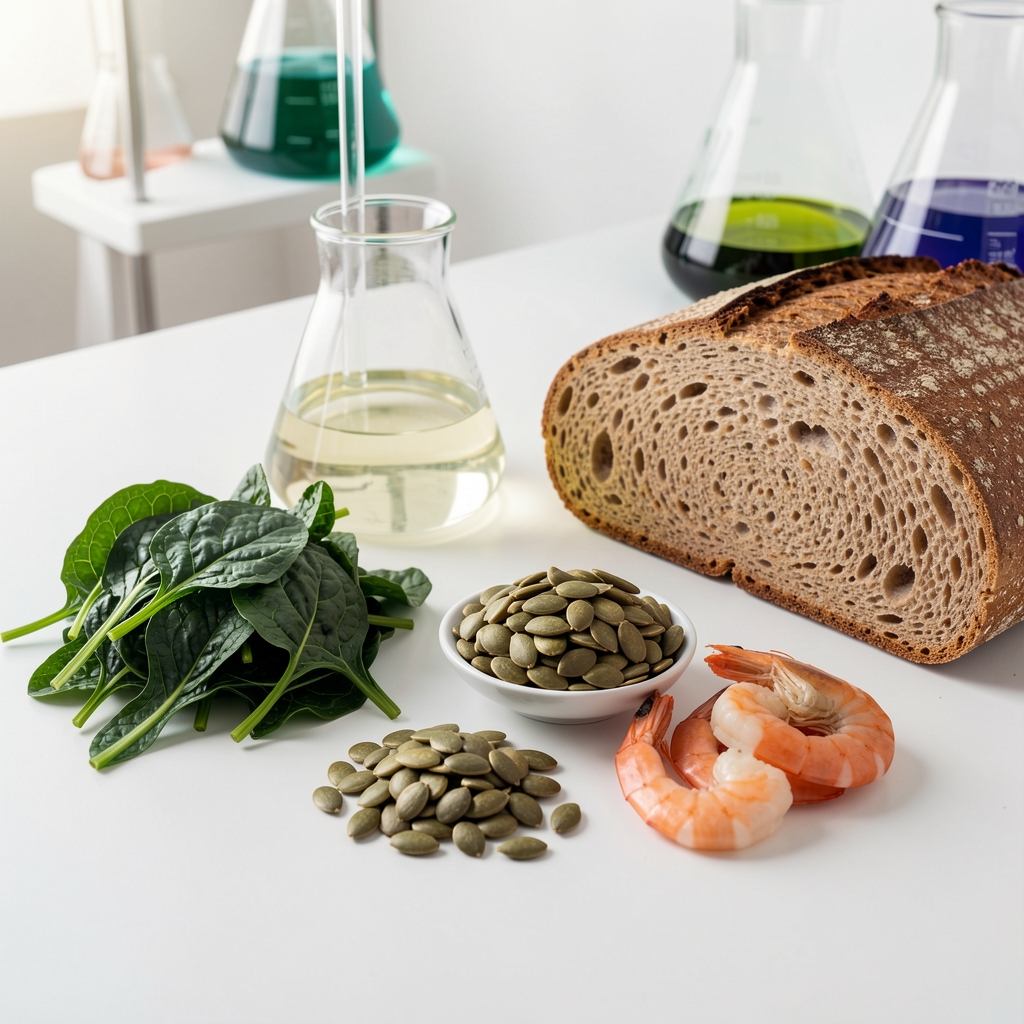
Vitamin D, Zinc and Magnesium for Men — Sourcing Reference
Vitamin D zinc magnesium documentation for men indexes dietary sources, estimated absorption rates, and daily intake benchmarks from reference nutrient intakes (UK) and dietary reference intakes (US). Vitamin D3 supports normal immune system function; zinc supports normal cognitive function and immune health; magnesium contributes to normal energy metabolism and reduces tiredness.
Food-first sourcing is documented before supplement consideration. The framework identifies the dietary contexts (e.g., low sun exposure, high-sweat exercise, plant-exclusive diets) where supplemental sourcing is most frequently observed in the research record.
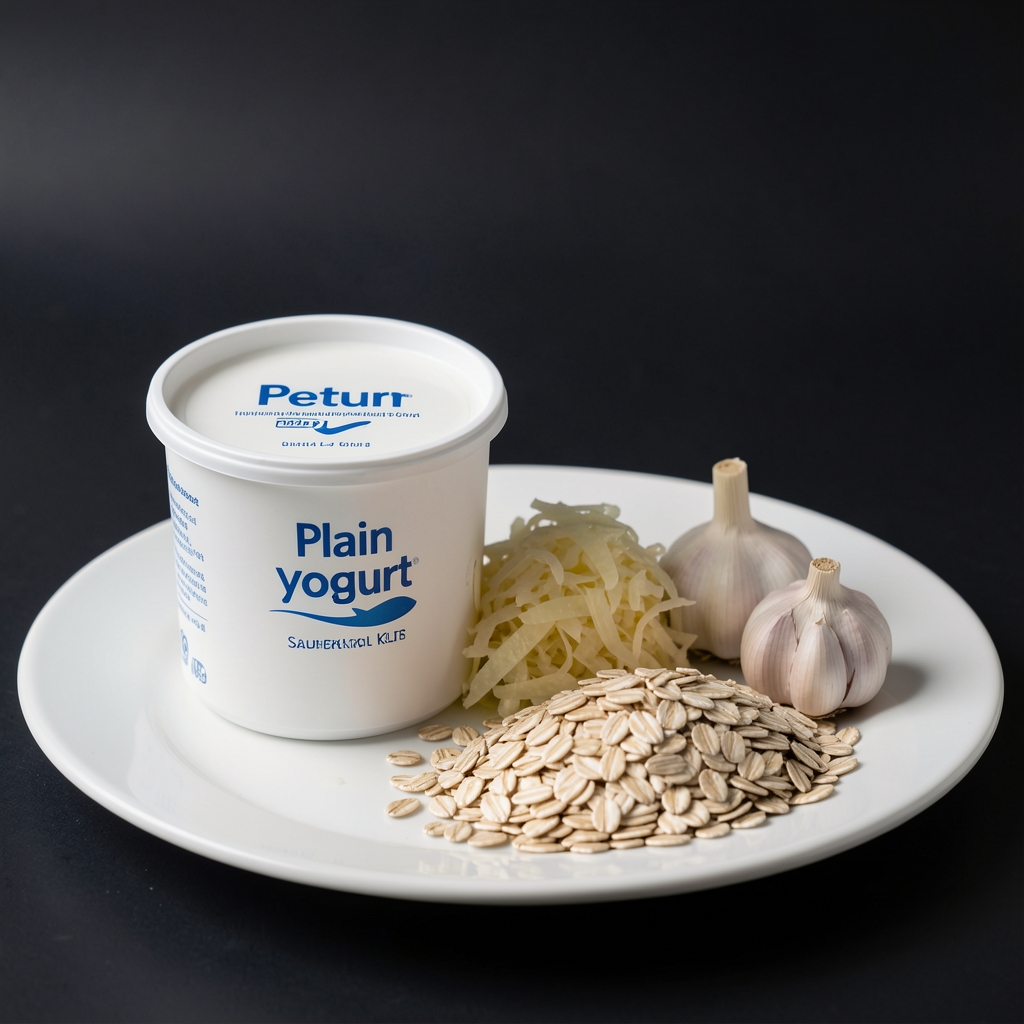
Gut Health Nutrition for Men — Microbiome and Metabolic Output
This gut health framework for men covers fiber diversity indices (target: 30+ distinct plant sources per week, per recent microbiome research), prebiotic food sourcing, and the role of fermented foods in maintaining microbial population richness.
Research note: The documented connection between gut microbiome composition and metabolic markers — including insulin sensitivity, inflammatory load, and nutrient absorption efficiency — is a rapidly developing area in men's nutritional science.